



Gamers, content creators and digital artists all use one of the most popular animation tools: Source Filmmaker, or SFM. Valve’s software enables creators to build cinematic animation with assets from games with the Source Engine. The “SFM compile” process is one of the most crucial steps in the workflow. This process takes raw animation files, models, lighting and effects to create a final rendered video or asset. By knowing how to use the SFM compile, newbies can avoid a lot of rendering errors, enhance video quality and build smoother SFM animation without crashes.
What is SFM Compile?
Compile refers to the process in which SFM compiles animation projects, 3D models, textures, and sequences to be rendered and/or exported by SFM. Creating a video or compatible model format that is ready for play during compilation, based on scene data, camera angles, effects and lighting.
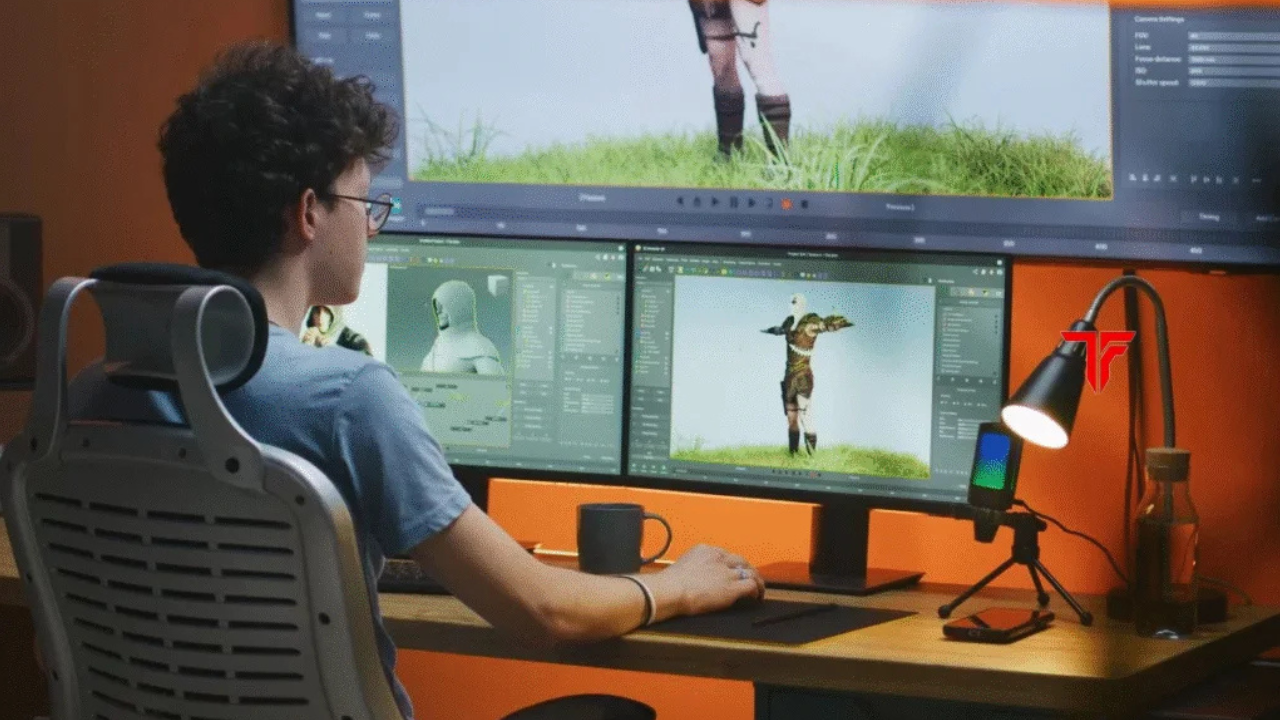
In many instances, it is also necessary to compile the custom models before they are imported into SFM.In many cases custom models must also be compiled before they are imported into SFM. The Source Engine requires raw files to be converted to MDL format for it to read the file correctly, the common formats are SMD, FBX or OBJ.
If not compiled correctly, users could suffer from the following:
- Missing textures
- Pink or black checkerboard errors
- Broken animations
- Crashes during rendering
- These models are not loading properly
Trading this means that every creator of an SFM must learn how to compile.
Why SFM Compile is important?
Compiling has a tremendous impact on animation quality and performance. It makes sure that all project assets are utilized and consistent with the Source Engine. Proper compilation improves:
- Rendering stability
- Texture accuracy
- Lighting quality
- Animation playback
- Export performance
Short films, game videos, posters and movie scenes are among the many videos created by many creators with SFM. Compilation problems can cause hours of animation to go down the drain, with either drops or “corruption”.
A well-optimized project will also help to minimize memory problems when rendering longer scenes.
Read Also: Kibho Login: Secure Access to the Kibho Digital Ecosystem
Essential Tools Used in SFM Compile
The following tools are often used during the compile process, in addition to SFM.
Crowbar
One of the most popular GUI tools for compiling Source Engine models is called “crowbar.” It makes it easy to convert files to MDL format and enables users to avoid using the command line to make mistakes.

Studiomdl.exe
This is a compiler tool for Valve’s official Source Engine. Reads QC Configuration files; creates compiled model files for SFM. It is used directly for more control by advanced users.
VTFEdit
VTFEdit will assist the creators of textures to convert them to Valve Texture Format (VTF), the format that SFM uses for materials and surfaces.
Video Editing Software
Once rendered, most artists will go on to edit their work in outside editors such as:
- DaVinci Resolve
- Adobe Premiere Pro
- VirtualDub
These tools can be used to merge images into sequences, incorporate sound effects and enhance the final video quality.
How to Compile in SFM
The compilation process of SFM can be daunting at first glance, but there is a simple workflow that can be used by beginners.
Step 1: Prepare Your Files
Gather all assets and equipment needed:
- Model files
- Textures
- Animation sequences
- QC configuration files
Later on, there may be a problem with missing textures if you have not organized it properly.
Step 2: Set up the QC File
The QC file is equivalent to an instruction sheet for the compiler. It specifies the texture, animation, and models in SFM. One of the most typical mistakes made by beginners is to make incorrect paths within the QC file.
Step 3: Run the Compiler
Use Crowbar or Studiomdl.exe to compile the project. It translates the source files into the Source Engine’s format.
Step 4: Import into SFM
Once the files are compiled, put the compiled files in the SFM usermod folder. Reload the asset browser and add the compiled model to the scene.
Step 5: Render the Final Animation
Be mindful of the render settings. Many of the experienced users suggest that export image sequencers rather than AVI files; image sequences are more stable and can be edited later.
Common SFM Compile Problems
Newbies often encounter compilation errors. Thankfully, a lot of issues can be solved easily.
Missing Textures
The typical reason for pink and black textures is if the material paths are set wrong or if there are missing VMT/VTF files. Double-check texture folders and QC settings.
Models Not Loading
It is common when SMD or animation files are not found by the compiler.
Grainy Renders
Low sample settings can lead to shimmering of lights or poor shadows. The higher the number of renders the better the quality, but the longer it takes to render.
Crashes During Rendering
Images with high resolution textures can take up a lot of memory. Decreasing the textures and background applications may assist you in achieving greater stability.
Final Word
The Source Filmmaker workflow has a number of critical stages, and one of them is most certainly the compile. Whether you’re developing animation, custom models, or cinematic scenes, knowledge of the compile process can boost your rendering and minimize technical problems. Advanced tools such as VTFEdit, Studiomdl.exe, and Crowbar help make the process easier for beginners and add more control to an advanced level for those who are more advanced.
An impressive project can be compiled and rendered successfully with practice, good file organization and optimized settings, even by anyone.
FAQs
1.What is the meaning of SFM compiled?
SFM compile is the process of creating Source Filmmaker project files, models, textures, and animation files that the Source Engine can read and render. It can be helpful in the production of final animation or usable game assets.
2. List the tools that are usually used for SFM compile?
The most popular softwares are Crowbar, Studiomdl.exe and VTFEdit. These tools can be used to create models, convert textures and prepare files for Source Filmmaker projects.
3. When does SFM display textures in pink or black?
The typical pink and black textures are caused by missing texture resources or when the paths to materials are incorrect. The problem may be resolved by viewing the QC file and texture folders.
4. Does image sequence rendering work better than AVI export?
Yes, many creators would prefer to use the image sequence rendering method due to its stability and also the risk of video files getting corrupted during long rendering job sessions is lower.
5. Is the compilation of beginners in SFM easy?
Yes, those who are just starting out can learn the basics of SFM compile through practice. With simple tools such as Crowbar, and correct organization of files, it is so much easier.
Read More: Exhentaime: A Smart Approach to Better Time Management
