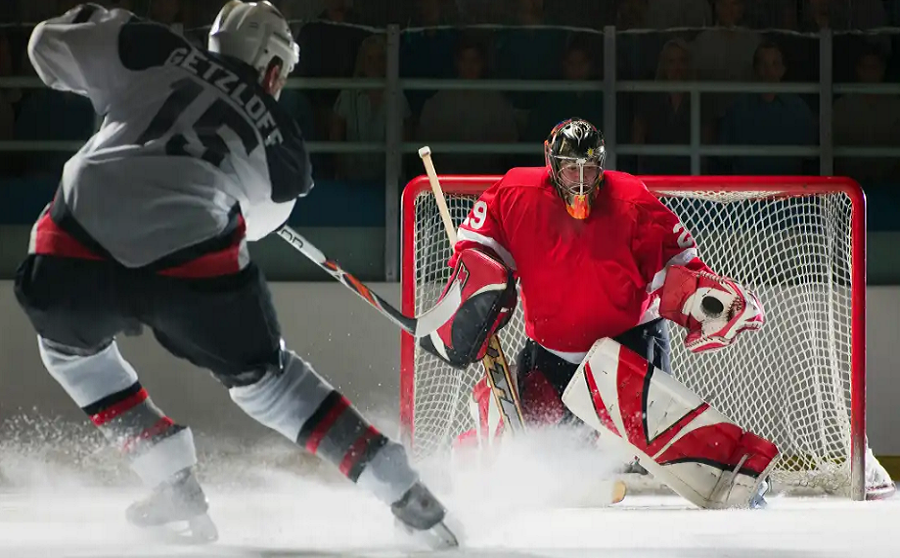
Few sporting experiences match the atmosphere of a hockey arena when overtime begins. The building transforms — sound compresses, tension concentrates, and every player on the ice understands that the next significant moment could end everything instantly. Hockey overtime distills competitive sport to its most elemental and emotionally immediate form, and understanding its rules and structure deepens appreciation for everything that makes the game extraordinary.
Dbbetfollows hockey with genuine interest as the sport expands its global footprint beyond traditional North American and European strongholds into new markets discovering the game’s particular intensity and tactical depth. Understanding hockey rules, how many periods in hockey, how long is a hockey game, and specifically how hockey overtime rules operate provides the essential structural knowledge that transforms casual viewing into genuine sporting engagement.
Before examining overtime specifically, understanding standard hockey game structure provides the necessary foundation. How many periods in hockey has a straightforward answer — three, each lasting twenty minutes of playing time, separated by intermissions that allow ice resurfacing and team tactical adjustments.
The three-period structure distinguishes hockey from most major team sports that organize competition around halves or quarters. This tripartite format creates a distinct competitive rhythm — teams adjusting strategies across three separate phases while managing physical demands that hockey’s continuous skating intensity places on player conditioning throughout complete game durations.
How long is a hockey game in real-time extends considerably beyond the sixty minutes of actual playing time. Stoppages for icings, offsides, penalties, and commercial breaks in broadcast contexts extend typical NHL games to approximately two and a half hours of total elapsed time from opening faceoff to final buzzer — longer when overtime and shootouts are required to determine winners.
Regulation: The Foundation
Understanding hockey overtime rules requires first understanding what regulation hockey looks like and why tie scores at the end of sixty minutes require additional resolution mechanisms.
Three periods of twenty minutes each create sixty total regulation minutes within which teams attempt to outscore opponents through the combination of skating skill, shooting accuracy, defensive positioning, and goaltending excellence that hockey competition demands. Scores tied at the conclusion of sixty regulation minutes trigger overtime procedures that differ significantly between regular season and playoff contexts — a distinction that represents one of hockey’s most important structural features for audiences approaching the sport seriously.
This regular season versus playoff overtime distinction isn’t cosmetic. It reflects genuinely different competitive philosophies about how tied games should be resolved depending on the stakes and context surrounding the specific competition.
Regular Season Overtime: The Five-Minute Format
NHL regular season overtime operates as a five-minute three-on-three sudden death period following tied regulation. The three-on-three player configuration — reduced from hockey’s standard five-on-five — creates dramatically more open ice than regulation play, generating the kind of end-to-end offensive sequences and scoring chances that produce decisive outcomes within the time limit far more frequently than five-on-five overtime produced historically.
The sudden death format means the first goal scored during overtime ends the game immediately — no waiting for the period to conclude, no partial credit for subsequent play. One goal, one winner, complete resolution in an instant that rewards both skill and situational awareness in equal measure.
The three-on-three format was introduced for the 2015-16 NHL season after analytical examination revealed that previous four-on-four regular season overtime still too frequently failed to produce decisive goals within the time limit — sending too high a percentage of games to shootout resolution that purists considered an inadequate substitute for genuine team competition.
The Shootout: Controversy and Necessity 🏒
When five-minute regular season overtime produces no goal, the NHL shootout determines the winner — each team selecting three shooters who attempt individual breakaways against the opposing goaltender, with additional rounds if scores remain tied after the initial three attempts per side.
The shootout generates genuine philosophical division within hockey culture. Purists argue that individual skill competitions bear insufficient resemblance to team hockey to legitimately determine game outcomes — that a team sport should always be resolved through team competition regardless of how long resolution requires.
Pragmatic supporters counter that shootout resolution provides definitive outcomes within time constraints that broadcast schedules, arena operations, and player conditioning demands require — and that the individual skill displayed in shootout attempts represents genuinely legitimate hockey skill worthy of competitive respect regardless of its team sport context.
The compromise embedded in current hockey overtime rules reflects this philosophical tension — genuine team overtime takes priority, with shootout resolution reserved only for cases where overtime team competition fails to produce decisive results within the allocated time.
Playoff Overtime: Pure Sudden Death ⚡
Playoff hockey overtime operates under fundamentally different hockey overtime rules than regular season procedures — and understanding this distinction is essential for appreciating why playoff overtime generates the sport’s most intense and memorable competitive moments.
NHL playoff overtime uses full five-on-five sudden death periods of twenty minutes each — identical in format to regulation periods but carrying the complete elimination stakes that playoff hockey demands. There is no shootout in playoff hockey. Games continue through as many overtime periods as necessary until one team scores the decisive goal.
This format produces hockey’s most extraordinary competitive experiences. Games extending through multiple overtime periods — occasionally reaching four, five, or even six overtime periods in legendary playoff encounters — create endurance tests that become part of hockey folklore. Players skating on exhausted legs, goaltenders making increasingly remarkable saves, and entire arenas suspended in collective breath-holding tension that intensifies with each passing scoreless minute.
The longest playoff game in NHL history required six overtime periods to resolve — 116 minutes and 30 seconds of overtime following sixty minutes of regulation, creating a total game duration that tested everything players physically and mentally possessed. These extraordinary contests produce the sport’s most enduring memories precisely because they demand so much from everyone involved.
Understanding Icing and Offsides Rules
Complete understanding of hockey rules requires engaging with two foundational concepts that shape how the game flows and why stoppages occur — icing and offsides, the two calls that most frequently interrupt play and confuse audiences approaching the sport without prior exposure.
Icing occurs when a player shoots the puck from their own side of the center red line across the opposing team’s goal line without the puck being touched. The call results in a faceoff in the offending team’s defensive zone — a penalty designed to prevent teams from simply clearing the puck without purpose whenever defensive pressure builds uncomfortably.
Hybrid icing rules now in effect across most professional leagues cancel icing calls when the defensive team’s player reaches the faceoff dot first in a race for the puck — protecting player safety by eliminating dangerous full-speed races to the goal line boards that previous icing rules required. This safety-motivated rule modification reflects hockey’s ongoing engagement with player welfare concerns without compromising the competitive integrity that icing rules provide.
Offsides occurs when an attacking player enters the offensive zone — crosses the blue line — before the puck does. The rule prevents players from stationing themselves permanently in advantageous offensive positions, requiring the puck to enter the zone first and maintaining the skating and puck movement that defines hockey’s distinctive competitive character.
Penalty Rules and Power Play Dynamics 🚨
Hockey’s penalty system creates the power play situations that represent some of the sport’s most strategically interesting competitive moments — and understanding penalty hockey rules illuminates why certain game situations generate disproportionate excitement and strategic importance.
Minor penalties — two minutes in duration — send the offending player to the penalty box while their team plays shorthanded against the opposing team’s power play unit. If the power play team scores during the minor penalty, the penalized player returns immediately — creating the crucial incentive for power play efficiency that shapes how teams structure their penalty killing and power play tactical systems.
Major penalties carry five-minute durations without early release regardless of goals scored — reserved for more serious infractions including fighting, which hockey’s rulebook accommodates under specific circumstances that distinguish hockey’s penalty framework from other major team sports.
The power play strategic dimension — specialized units, specific formations, practiced sequences designed to create high-quality scoring chances against shorthanded opponents — represents an entire tactical subdiscipline within hockey coaching that serious students of hockey rules find genuinely fascinating to study and observe in competition.
Goaltending: The Position That Defines Games
No examination of hockey rules and structure is complete without acknowledging goaltending’s singular role in determining competitive outcomes. The goaltender operates under rules that differ significantly from all other players — permitted to handle the puck within the crease area under specific conditions, protected by rules that prohibit contact from opposing players within the crease, and equipped with specialized gear that reflects the unique physical demands of the position.
Goaltending excellence in overtime situations carries particular significance — a single exceptional save can extend games indefinitely while a single lapse ends them instantly. The psychological demands of overtime goaltending — maintaining focused concentration while teammates battle exhaustion through extended additional periods — represent some of competitive sport’s most extreme mental challenges.
The butterfly style that dominates modern goaltending — dropping to the knees to cover the lower portion of the net while using blocker and glove to protect upper corners — represents decades of technical evolution that has transformed goaltending from a positional specialty into one of sport’s most technically sophisticated skill sets.
International Hockey Overtime Variations 🌍
Understanding hockey overtime rules requires acknowledging that NHL procedures don’t represent universal hockey practice. International hockey — governed by IIHF regulations — uses different overtime formats that create distinct competitive experiences from the NHL model.
IIHF overtime in tournament group stages uses ten-minute five-on-five sudden death overtime followed by shootout if necessary — a longer overtime period than NHL regular season procedures but maintaining five-on-five rather than adopting the three-on-three format that NHL regular season hockey uses.
Olympic hockey overtime follows IIHF regulations — meaning audiences accustomed to NHL three-on-three overtime experience genuinely different overtime hockey when watching international competition. These format variations reflect different competitive philosophies and tournament structure considerations rather than disagreement about which approach produces superior hockey.
Hockey’s Global Expansion and New Audiences
Hockey’s growth into new global markets creates exactly the audience development situation where structural knowledge — how many periods in hockey, how long is a hockey game, how hockey overtime rules operate — provides the foundation for transforming curious observers into genuine sporting engagement.
Markets across Asia and South Asia are developing hockey audiences through increased broadcast access to NHL competition, successful international tournaments generating new interest, and the sport’s natural appeal to audiences who appreciate the combination of athletic skill, tactical complexity, and emotional intensity that hockey delivers at its highest competitive levels.
Understanding the rules framework that produces hockey’s most dramatic moments — the overtime periods that compress sporting tension into its most immediate and unpredictable form — is precisely where genuine hockey appreciation begins for audiences discovering the sport’s particular rewards for the first time.
This is the official Editor account and in charge of maintaining all the content in the website. Team Captionall research high quality accurate content & write SEO friendly content to ensure the quality content for our visitors. For any query & support please contact with our support team. Thank you for visiting captionall.com.