



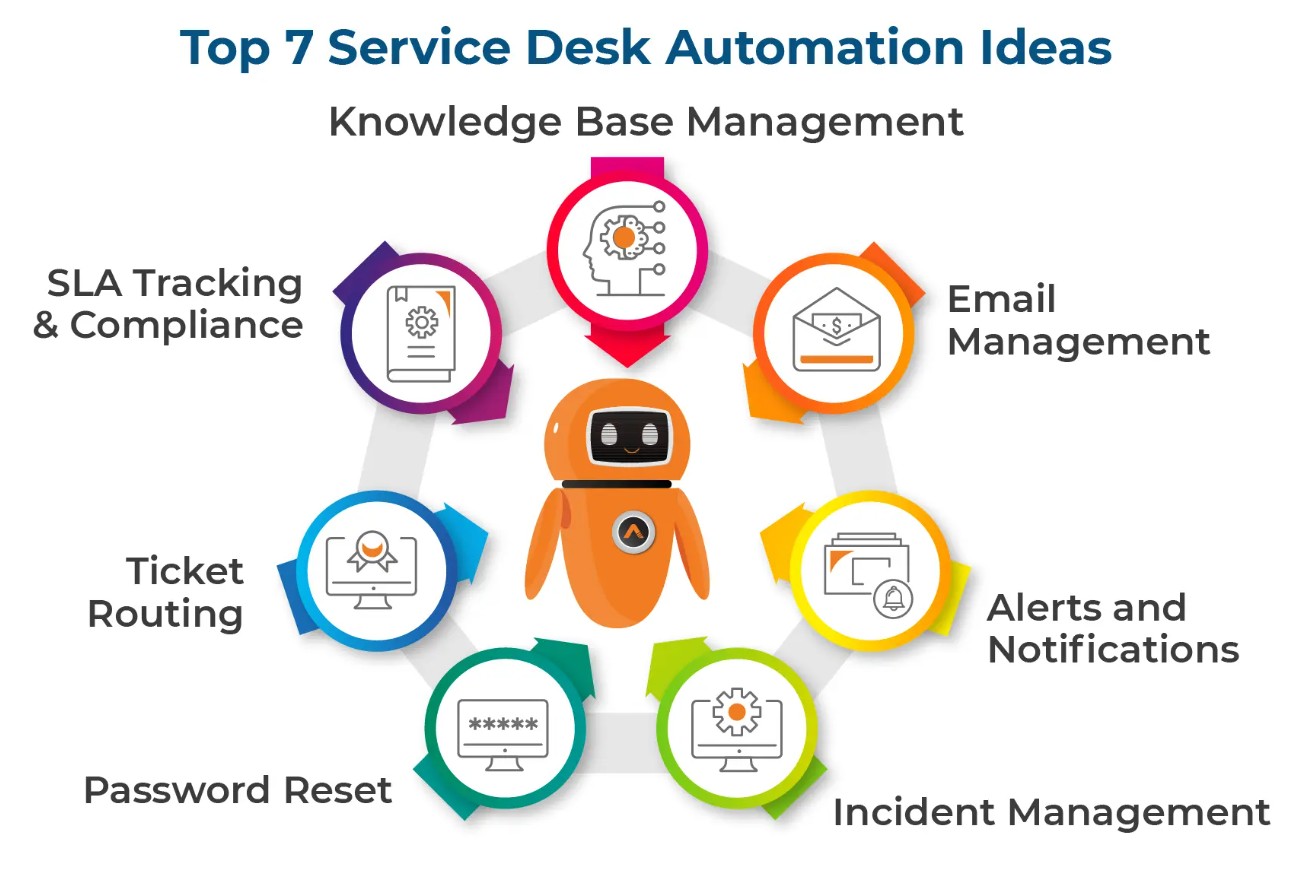
Customer support teams have to face the common problem of repetitive questions again and again. During communication, slow response times frustrate every buyer and burn out agents. Day by day, operational costs are increasing for these manual agents. In this modern world, every company needs a better and different way to manage its conversion, where the Arena Messaging can make a real difference.
Arena Messaging usually offers a clear business communication system that changes the transforms how organizations handle digital inquiries simply. Support teams can solve the issue by connecting data and communication channels.
At this moment, it has appears many automated system that remove the mechanical steps from customer service. And every agent can solve any communication issues simply. Know the full in-depth automation system with the modern platform Arena Messaging below:
So What Does Arena Messaging Actually Do?
This isn’t just another chat widget you stick in the corner of your website and forget about. Arena Messaging is a complete system for handling customer conversations as they come in. The platform uses AI behind the scenes to sort messages, figure out who should handle what, and keep things flowing even when the support team is getting hammered with requests.
The basic idea isn’t complicated: when someone sends a message, they shouldn’t be left staring at a screen wondering if anyone’s even reading it. Arena’s tools automatically sort incoming messages, figure out how urgent each one is, and send it to the right person. That means fewer customers getting bounced from one department to another, and more problems getting fixed the first time someone picks them up.
Why Real-Time Support Actually Matters
Think back to the last time you had an issue with something you bought. Did you want to fill out some contact form and wait a full day for someone to get back to you? Of course not. Most people want to talk to a real person right then and there, while they’re still annoyed and the problem is fresh in their head.

The research backs this up completely. About 63% of customers say they’re more likely to come back to a website that has live chat. And 38% of shoppers admit they’re more willing to buy from a company that offers it. Those aren’t small numbers — they show that real-time support has gone from being a bonus feature to something customers just expect as standard.
Arena Messaging leverages this by providing businesses with the tools to respond immediately. It could be something as simple as when a package will arrive, or they might have something more in-depth that requires a proper explanation, but the platform ensures customers aren’t left hanging.
Read Also: The Spark Shop: Get a Big Discount from Online Shopping
Handling the Flood Without Drowning
Here’s a problem every support team knows too well: sometimes everything hits at once. Maybe it’s a product launch, maybe it’s a flash sale, maybe your service went down and suddenly everyone’s asking what’s going on. Whatever the reason, chat volumes can spike hard and fast. Without the right setup, your agents get buried and your customers get furious.
Arena deals with this through smart routing and automation. Messages get sorted before they ever land on a human’s desk. Simple stuff — like “Where’s my order?” or “What time do you close?” Can be handled automatically without bothering anyone. The complicated problems that actually need a human get pushed straight to agents who know what they’re doing.
This isn’t about getting rid of people and replacing them with robots. It’s about making sure your human agents spend their time on things that actually need a human brain. Nobody wants to explain their problem three separate times to three separate people. Arena’s routing makes sure the right agent gets the right message on the first try.
Making good conversations with loyal customers
One thing that people tend to overlook is that when it comes to support, it is not only about fixing the issue. It’s the way the customer feels when you are fixing it. A quick and efficient chat can change a mind that was thinking of exiting to one that stays. If you’re experiencing a slow, confusing experience, they will be taken to your competitor’s website.

Arena Messaging can help businesses make this right by ensuring conversations are personalized. Agents are able to view customer history, previous purchases and chats they’ve engaged in. That context also means that they don’t need to re-explain to themselves what the others have tried to explain. The customer feels like he/she is speaking to somebody he or she knows, and not to somebody who speaks from a script.
And when customers think that a company cares about them, they stay with the company. Studies indicate that 51% of customers will be more inclined to remain loyal to brands with strong live chat support. It is not so much about finding a solution to this problem; it is about creating a solid relationship for the future.
Automation That Doesn’t Drive People Crazy
Let’s be real here — most of us hate talking to chatbots. But there’s a huge difference between a useless bot that keeps sending you in circles and smart automation that actually gets the job done.
Arena’s approach is to use automation where it genuinely helps. Simple requests get handled right away. Complicated ones get flagged and sent to a real person immediately. The AI triage system figures out which category each message falls into, so customers aren’t wasting their time talking to a bot when they clearly need a human being.
This kind of automation also makes life easier for support teams. Instead of every agent drowning in a random mess of messages, they get a clean, organized queue. Urgent issues rise to the top. Routine stuff gets handled quietly in the background. Everyone comes out ahead.
Different Businesses, Different Needs
Arena Messaging isn’t some cookie-cutter tool that forces everyone into the same box. Publishers use it to chat with readers during live events. Online stores use it to answer product questions and stop people from abandoning their shopping carts. Sports and entertainment companies use it to build communities around games and shows.
The platform grows or shrinks depending on what you need. A small business might just use the basic live chat feature. A big company might run group chats, live blogs, and community forums all at the same time. The core technology stays the same — fast, reliable, and built to handle whatever volume you throw at it.
Where Customer Support Is Heading
The way businesses talk to their customers is shifting quickly. Email support feels ancient now. Phone trees are basically torture. Social media DMs are a chaotic mess. Live chat and messaging are becoming the default way people want to communicate, and platforms like Arena are right at the front of that movement.
But it’s not just about speed. The future is about making every single interaction feel personal and meaningful. That means knowing who the customer is, understanding what they need, and helping them without making them jump through a dozen hoops first.

Arena Messaging is built for exactly that future. It mixes real-time speed with smart automation and genuine human expertise. What you get is support that actually works — for the business running it and for the people they’re trying to help.
Final Word
When you strip everything away, customer support comes down to one simple thing: making people feel like you actually give a damn about them. Arena Messaging gives businesses the tools to do that even when they’re dealing with thousands of customers at once. Fast replies, smart routing, and real conversations with real people — that’s what turns frustrated customers into ones who stick around for the long haul.
If your business is still relying on slow email chains or phone systems where people press 1, then 2, then 3, then get disconnected, it’s probably time to rethink things. Your customers are already expecting better treatment. Arena Messaging is one solid way to actually give it to them.
Read More: Brand Name Normalization: 7 Expensive Mistake Need to Avoid
